|

How to Paint Ceramic at Home

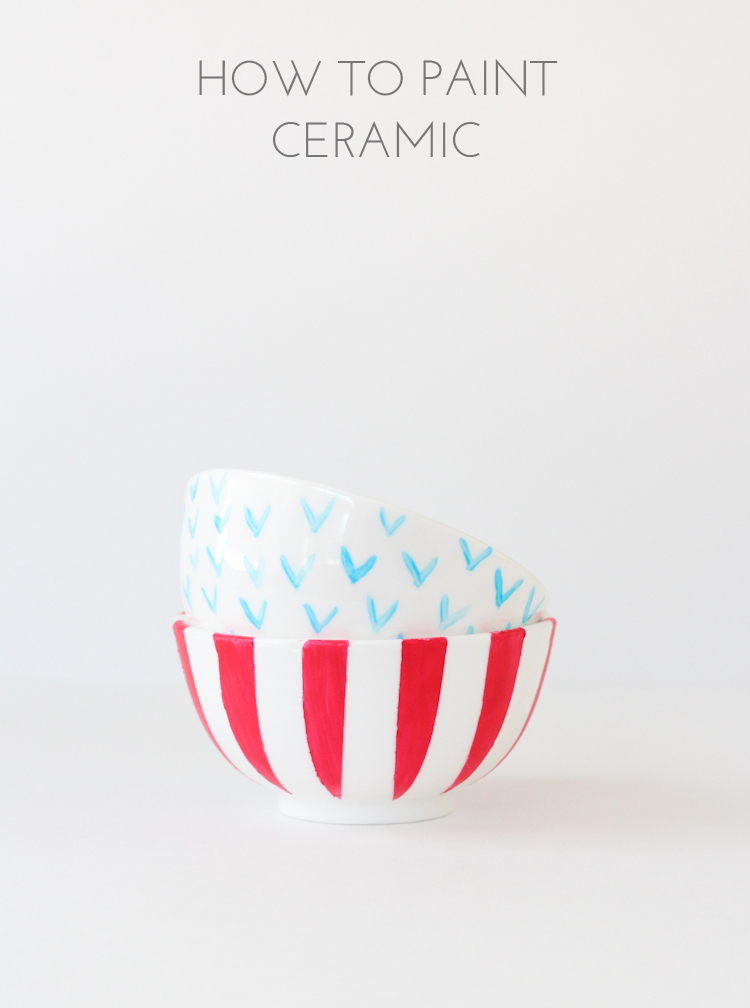
Learning how to paint ceramic at home is a great skill for any crafters toolbox! Customize pieces for yourself, or paint something special for a simple handmade gift idea. And with a variety of paint colors available, your design options are endless.

How to Paint Ceramic-- click through for step by step tutorial

Alright internet, I’m sure you’ve seen DIYS floating around with alternative ways for painting ceramic/china/glass etc, but this is the method that I’ve returned to time and time again. Because once you have the right paint, it’s pretty straight forward.

How to Paint Ceramic-- click through for step by step tutorial

Content contains affiliate links.

What’s the Best Ceramic Paint?

The type of paint needed to paint ceramic depends on the finish of what you’re painting. If your items is glazed (like a mug), you’ll need Porcelain paint. If you’d like to use this technique on mugs or plates, be sure to use a food safe paint (Porecelaine 150 will work).

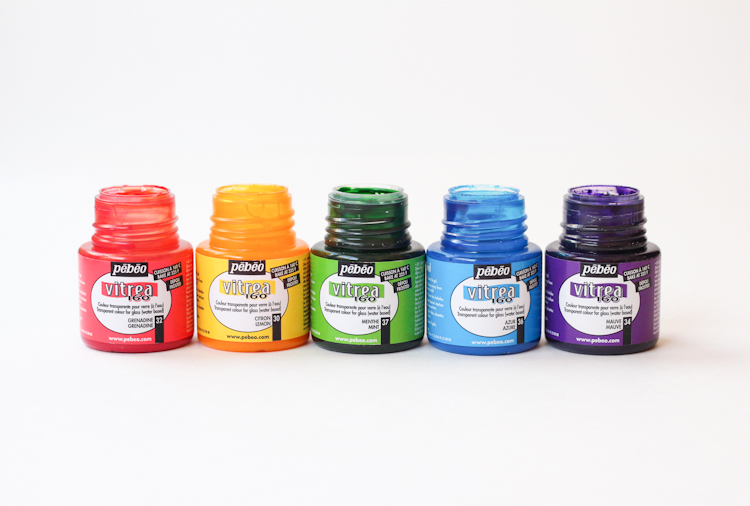
I used Vitrea 160 because I had it on hand from painting glass previously. I do think the Vitrea is best for glass overall for long term wear. (Note that’s the paint pictured above).

Keep in mind that no food should come in contact with any painted items to fully be food safe. So if you want to paint a bowl, stick to the outside. And if you’re painting a mug, try to avoid the inside as well as the lip.
How to Paint Ceramic-- click through for step by step tutorial

Materials

  • Ceramic surface (bowl, mug, vase, etc)
  • Ceramic paint
  • Brush
  • Oven

How to Paint Ceramic

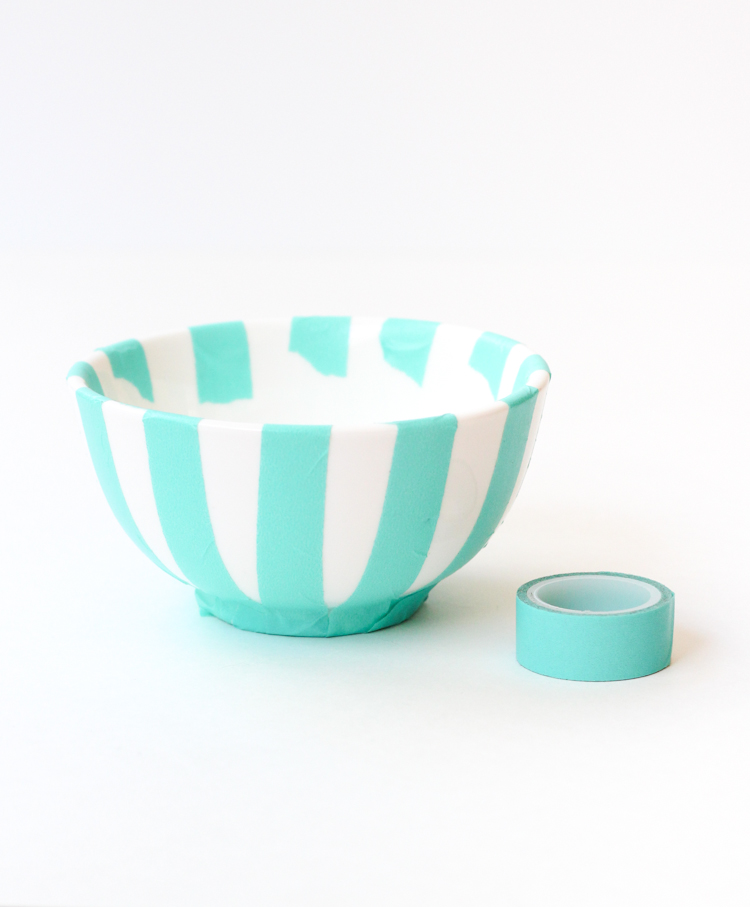
1. Apply your design. Tape off the area you’d like to paint, or start free handing your design.  The paint can still scratch off at this phase so be careful; this also means you can make minor touchups at this time since the paint can be removed.
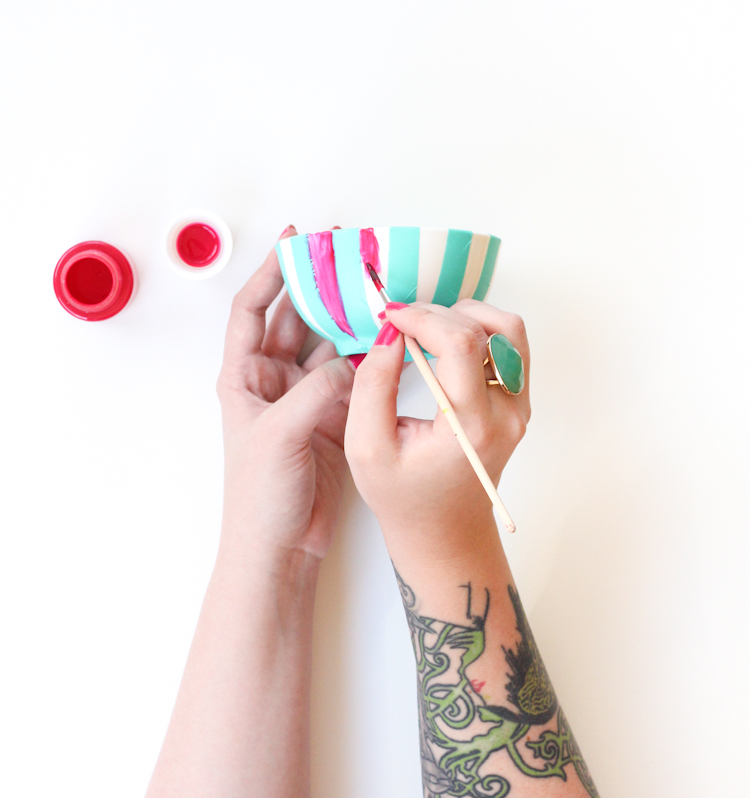
2. Once you’re happy with your design, let dry fully then overnight (at least 24 hours). 

3. Place your dish in the oven for 40 minutes at 325°F. Don’t take out of the oven until completely cool otherwise you risk the chance of your dish breaking. It’s best to turn off the oven then leave your dish inside until the oven is no longer warm.
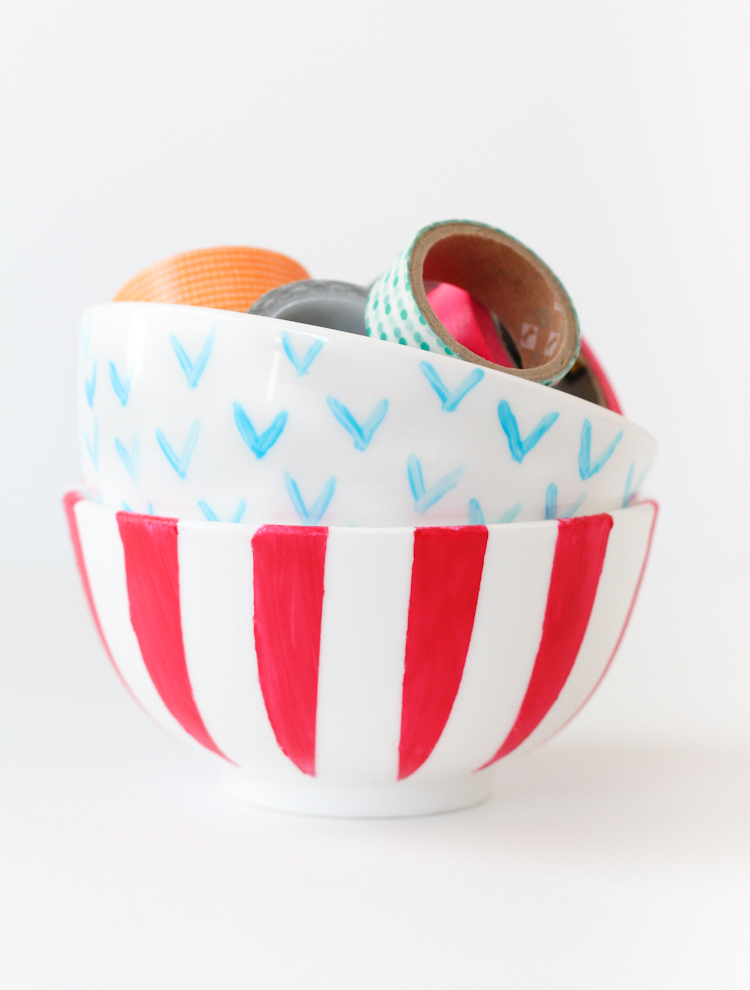
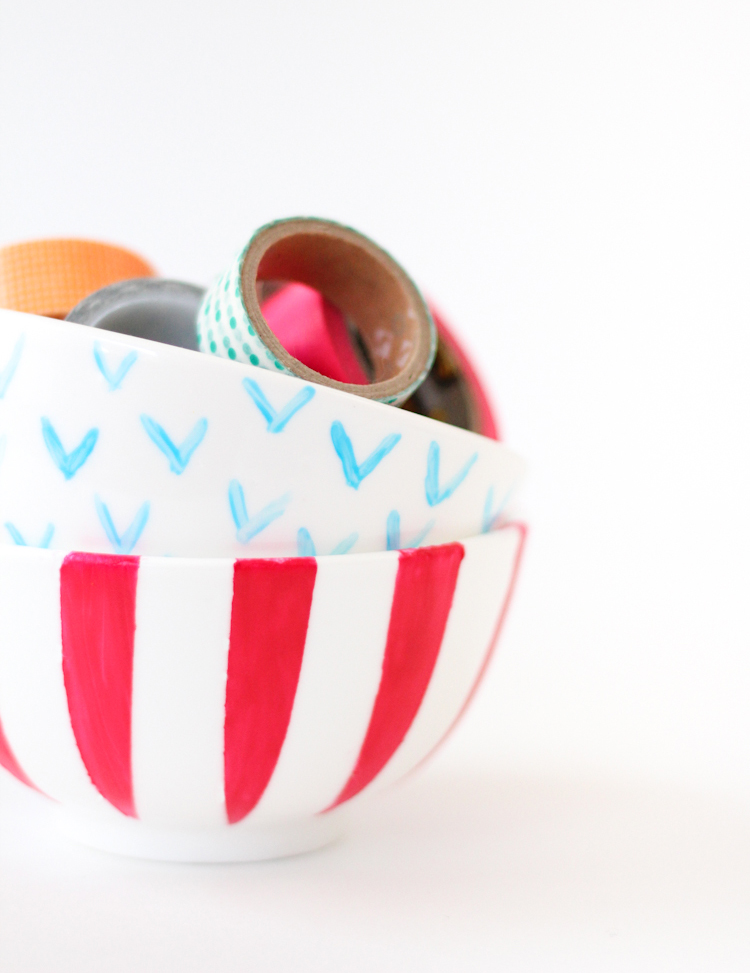
How to Paint Ceramic-- click through for step by step tutorial

Tips for Painting Ceramic

  • The paint is going to be some what translucent. If you want it to be more solid, choose a simple design that will be easy to apply a second coat to.
  • If you use tape, be sure to remove it before the paint dries. If you don’t, there’s a chance the paint will peel up with the tape.
  • The less your final design has to come in contact with water, the longer it will last. Handwashing with a gentle sponge is always preferred.
How to Paint Ceramic-- click through for step by step tutorial
stop by step tutorial image for how to paint ceramic (bowl is being painted with stripes)

Leave a Reply

Your email address will not be published. Required fields are marked *

24 Comments

  1. Love these bowls! I did something similar with a coffee mug awhile back and ‘baked’ it, totally works! :)

  2. Pingback: Make Scout
  3. PERFECT timing Rachel!! I’ve been searching all over the internet for all those DIY ceramic sharpie mug posts because every. single. one. is different and certain pens/paints won’t work, aren’t dishwasher safe, etc. etc. all I wanted to do was paint a mug for a friend’s birthday, ha, so thanks! Hopefully I can find that paint at the art store near me!

  4. Such lovely ceranic bowls Rachel! Your DIY are very usefull and adoreble. I will try to do some of thoso to decorate and use in my new kitchen.
    Keep posting to us!
    Kisses and hugs,
    Priscilla

  5. Upd

    “Are you planning on using Pebeo Pens to paint your own plates?

    I had the exact same concern, and did some research before I started painting plates.
    The problem doesn’t seem to be the paint itself, but how the use of the item could alter the paint.

    Here’s an excerpt from a letter Pebeo wrote to Adorn magazine, which I found at http://www.deepfriedkudzu.com/2006/07/practicing-painted-ceramics.html
    (Love Ginger’s blog, by the way.)

    “We have contacted Pebeo and have confirmed that the Pebeo Porcelaine Paint 150 used in our Adorn feature is food safe. The paint has been tested at Duke University, and was reported non-toxic and food safe for food contact.

    Though the paint is non-toxic, it is not recommended for use on a dinner plate because sharp objects, such as a steak knife, could damage the design and bacteria could potentially become trapped in cracks caused by utensils. However, the paint itself is not harmful to ingest even if scraped off.

    The reason the paint is not currently FDA approved is cost. The cost for FDA approval is approximately $50,000 per paint color, which Pebeo may pursue at a future time.”

  6. I’m confused becasue the porceline paint site (and many other websites) states on it that it is not safe for surfaces that come into contact with food…. Proceline 150 is not food safe. So, does anyone know of an actual FOOD SAFE ceramic paint?

    1. No. I’ve searched high and low. The answer is “There is officially NO food safe product one can use to paint on surfaces or even apply a clear finish where food comes into contact mwith the new paint or finish.” The only food safe finishes on ceramic are glazes that fire at 2000 degrees or more and actually turn into glass. That having been said, I have read that if they are non-toxic, the manufactruers cannot seel them as food-safe becasue some have latex that some people have allergies to, and that since many of the paints are easily scraped off, they could be ingested. For pwersonal ouse, I plane to err on the side of safety.

      I was looking to paint existing cermic bowls and such I already have to make a garden fountain my cat and native birds could drink from safely. I decided to leave the ceramics the color they are and proceed.

  7. If i bake it at 752 F, will it cause any damage to the painting I do on glass or will it damage the painting? Also will the time of baking change with temperature? And lastly is it safe against alkaline washing?